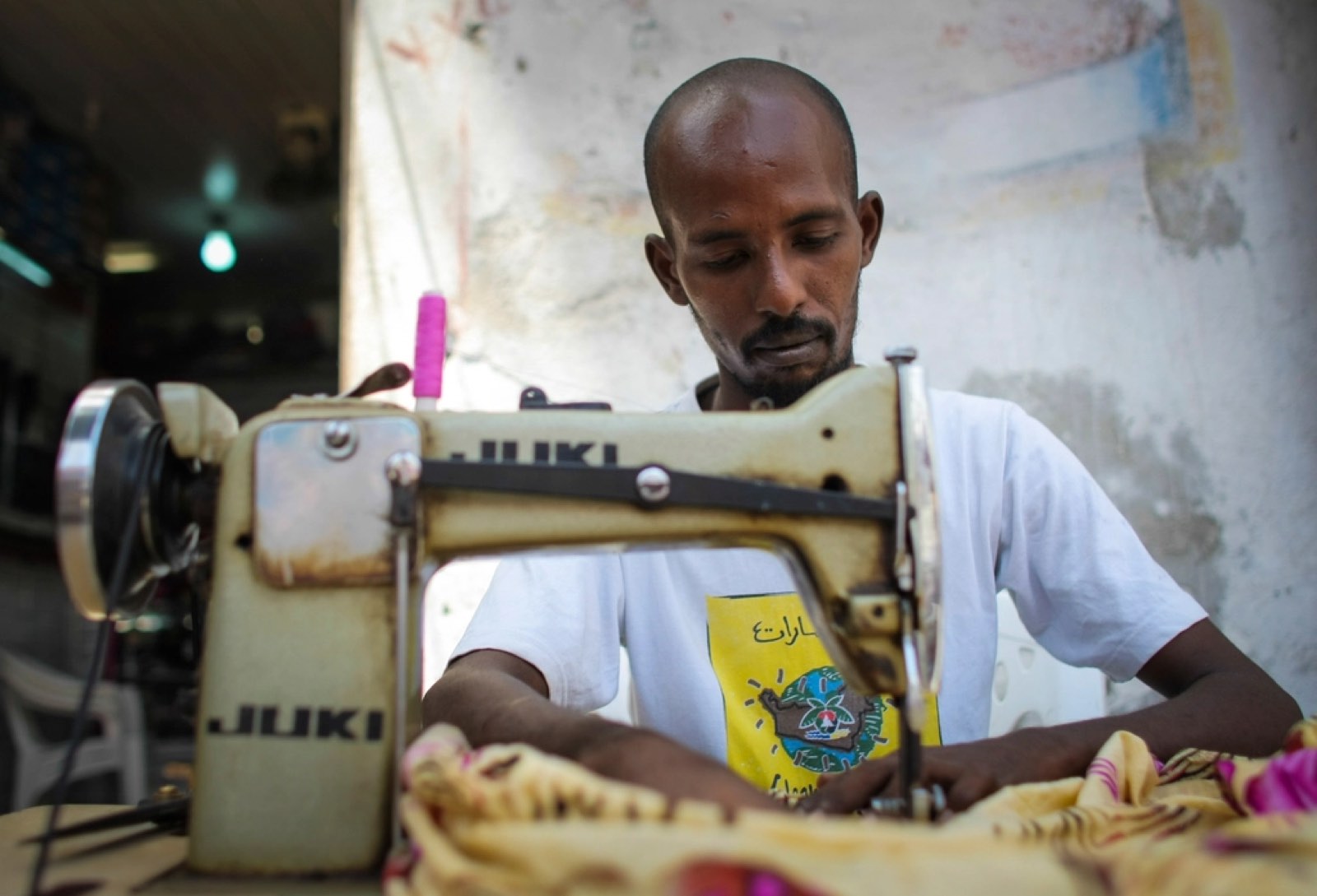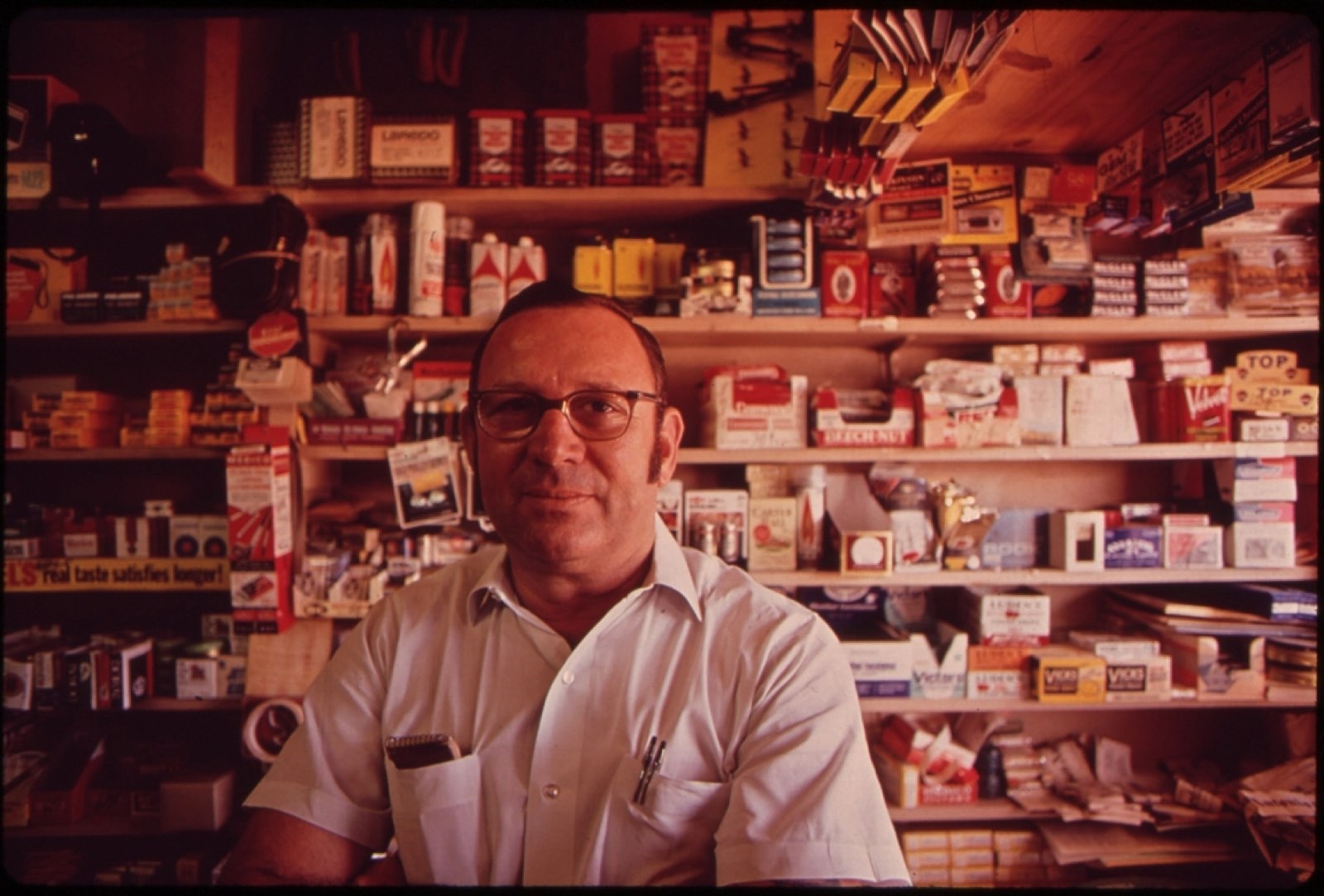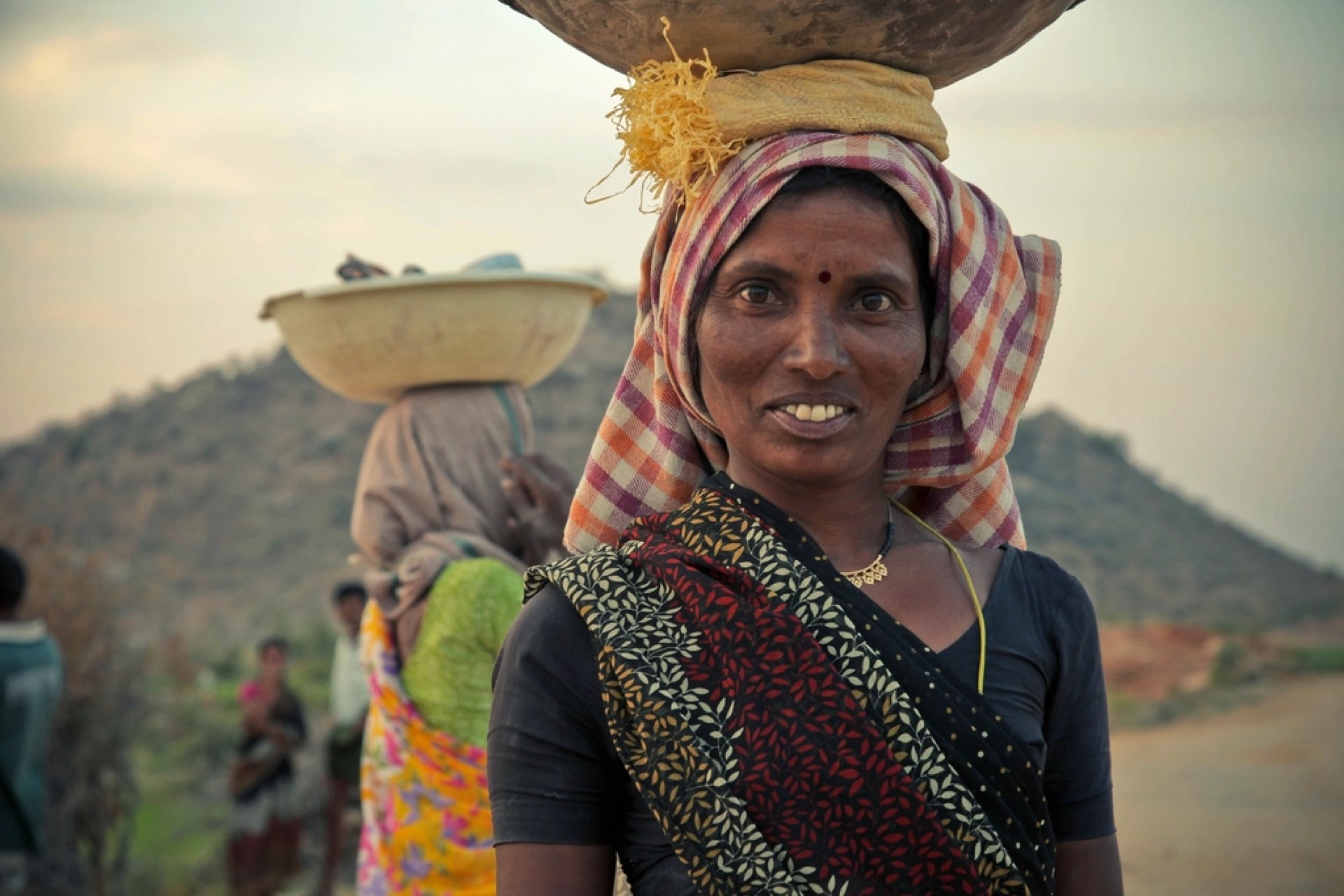
The International Labour Organization estimates that 57.8%1 of all workers were in informal employment in 2024. That is more than two billion people1: street vendors, domestic workers, home-based tailors, drivers, farm labourers, repair workers, and a great many people who run a small business without ever registering it.
Informal does not mean idle or unproductive. Many informal workers put in longer hours than salaried staff. What it usually means is working without the things formal employment brings: a written contract, a pension, sick pay, a legal identity as a business, and records that a bank or a government office will recognise.
of all workers, more than 2 billion people, were in informal employment in 2024.
More than half of the world’s workers earn a living outside formal employment.
ILO, World Employment and Social Outlook: Trends 2025, 2025The temptation to overclaim
Technology companies are fond of saying that an app will formalise the informal economy. We are wary of that claim, including when it would flatter us. Informality has causes software cannot touch: tax systems that are hard to enter, labour law that does not reach small workplaces, social protection designed for factory jobs, and the plain fact that registering often costs more than it seems to return.
A good app cannot give a street vendor a pension. It cannot make a landlord offer a lease, or a government extend sick pay to domestic workers. Those are questions for policy, for unions, for cooperatives and for workers themselves. Pretending otherwise distracts attention from the harder work, and it quietly lets the people who could change the rules off the hook.
Software cannot give anyone a pension. It can give them a record.

What tools can do
What digital tools can do is narrower and still useful. They can help a person keep a record: of sales, of customers, of hours, of what is owed and to whom. Records are more powerful than they look. A tailor who can show a year of orders has something to take to a lender. A cleaner with a list of regular clients and dates has evidence of steady work. A home caterer who knows her repeat customers can price with more confidence.
Tools can also help people get paid, and get paid on time. Reminders, simple invoices and a clear list of who owes what take away some of the awkwardness small traders face when chasing money from people they know, sometimes people they are related to.
And tools can help with reputation. Reviews, a simple website and a booking link let a one-person business be found by strangers, not only by neighbours. That widens the market without anyone having to rent a shop or pay for a signboard.
None of these is a substitute for rights. But they do change what a person can prove, and proof has a way of turning into bargaining power. A worker with records can show a new employer what they have done. A trader with a customer list can show a supplier they are worth extending credit to. A cooperative whose members all keep simple accounts can see its own strength, and negotiate from it. That is not formalisation in the legal sense. It is a step towards the kind of standing that formal systems tend to reward.
It matters, too, who owns the record. A worker’s history of orders or clients should belong to the worker, not to a platform that can change its terms or disappear. It is worth asking any software supplier, ourselves included, how you would take your records with you if you left.

Designing for the way informal work happens
If software is going to help, it has to fit the conditions. Many informal workers use a shared or second-hand phone. Connections drop. Data costs real money. There is very little spare time to learn a new system. The ILO also reports youth unemployment at 12.6%2 globally in 2024, against 5% for all workers2, and many of the people starting small ventures are young and working with very little capital.
That argues for software that is free to begin with, that does not demand a long commitment before it has proved itself, that keeps working when the signal goes, and that can be learned in minutes rather than days. It argues against bundles, annual contracts and anything that needs a laptop to be useful.
It also argues for humility about language. People who work informally rarely describe themselves with the vocabulary of business software. They talk about customers, not leads; money owed, not receivables. A tool that speaks in plain words is a tool more people will actually open.
Our part, stated plainly
Svayam Incarnation Limited builds Intersink for businesses of every size, and we do not claim it solves informality. What we can offer is a set of honest defaults. Anyone can create a User ID at no cost. A person can add a business and a channel, and install only the apps that job needs, each priced per channel per month and billed after the month is used. Pages you have already opened keep working when the connection drops. Small businesses can apply for free credits of £4,000, which are used before any card is charged.
Those choices are small. They are also the ones that decide whether a tool is usable by someone running a stall rather than a department. We would rather get those right than publish a grand plan.
Help people keep good records, and be honest about what records alone cannot fix.
The two billion people in informal work are not a market segment waiting to be converted. They are workers and owners with their own reasons for working the way they do, some chosen and many not. The best a software company can do is build tools that respect those reasons, charge fairly, and stay out of the way. The rest belongs to people with the power to change the rules, and we hope they use it.
What this means for your business
- If you employ people informally, keep a simple record of hours and payments. It protects them and it protects you.
- Keep a sales record, however rough, for at least a year. It is the first thing a lender will ask to see.
- Chase payments with a clear invoice and a polite reminder, not a phone call at the end of a long day.
- Let customers find and review you. A booking link or a small website reaches people beyond your street.
Sources
- ILO, World Employment and Social Outlook: Trends 2025 (2025)57.8% of all workers, more than 2 billion people, were in informal employment in 2024.
- ILO, World Employment and Social Outlook: Trends 2025 (2025)12.6% was the global youth unemployment rate in 2024, against 5% for all workers.
Arguments and opinions in this essay are the editorial team’s own. Forecasts are the named source’s, not ours.