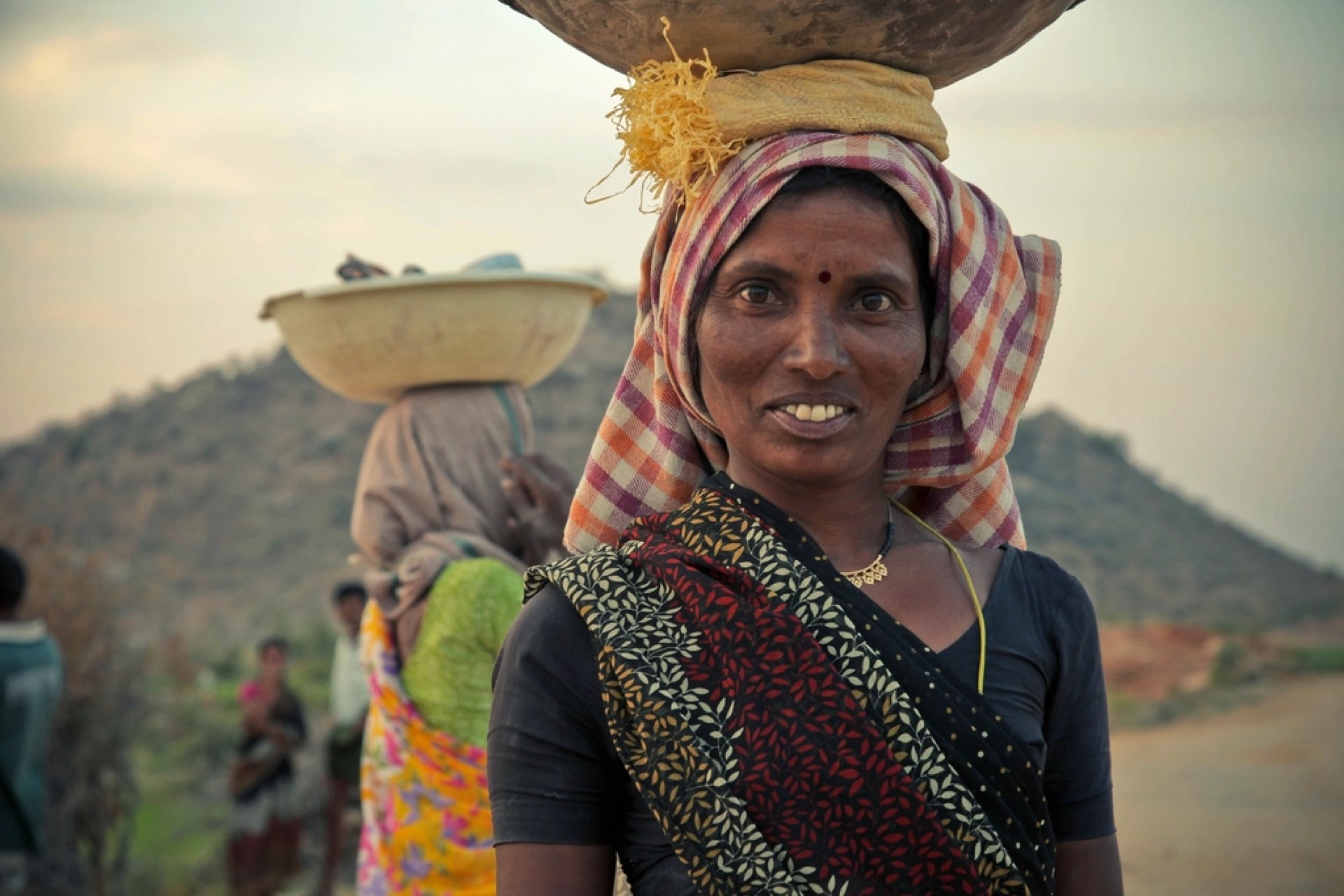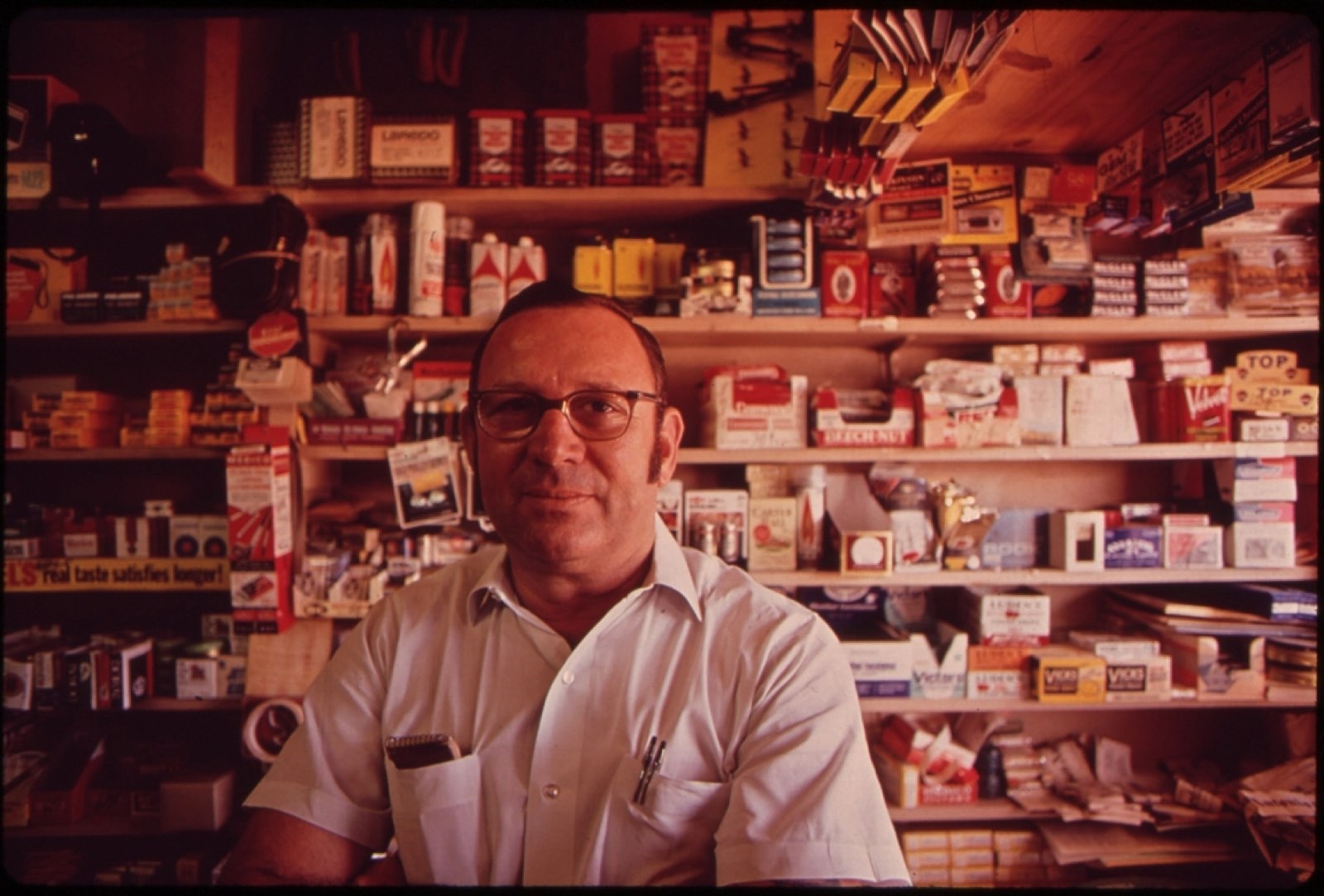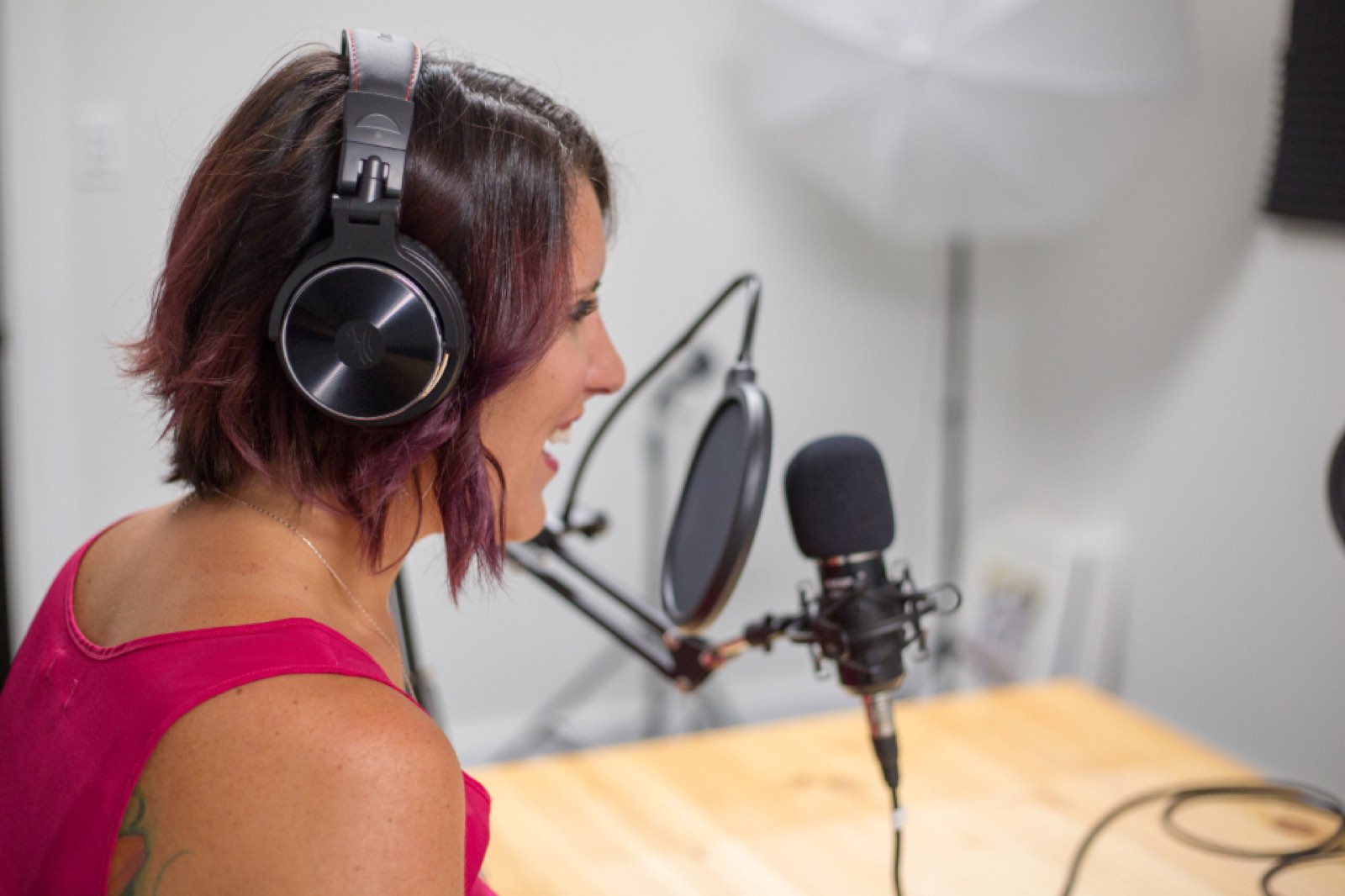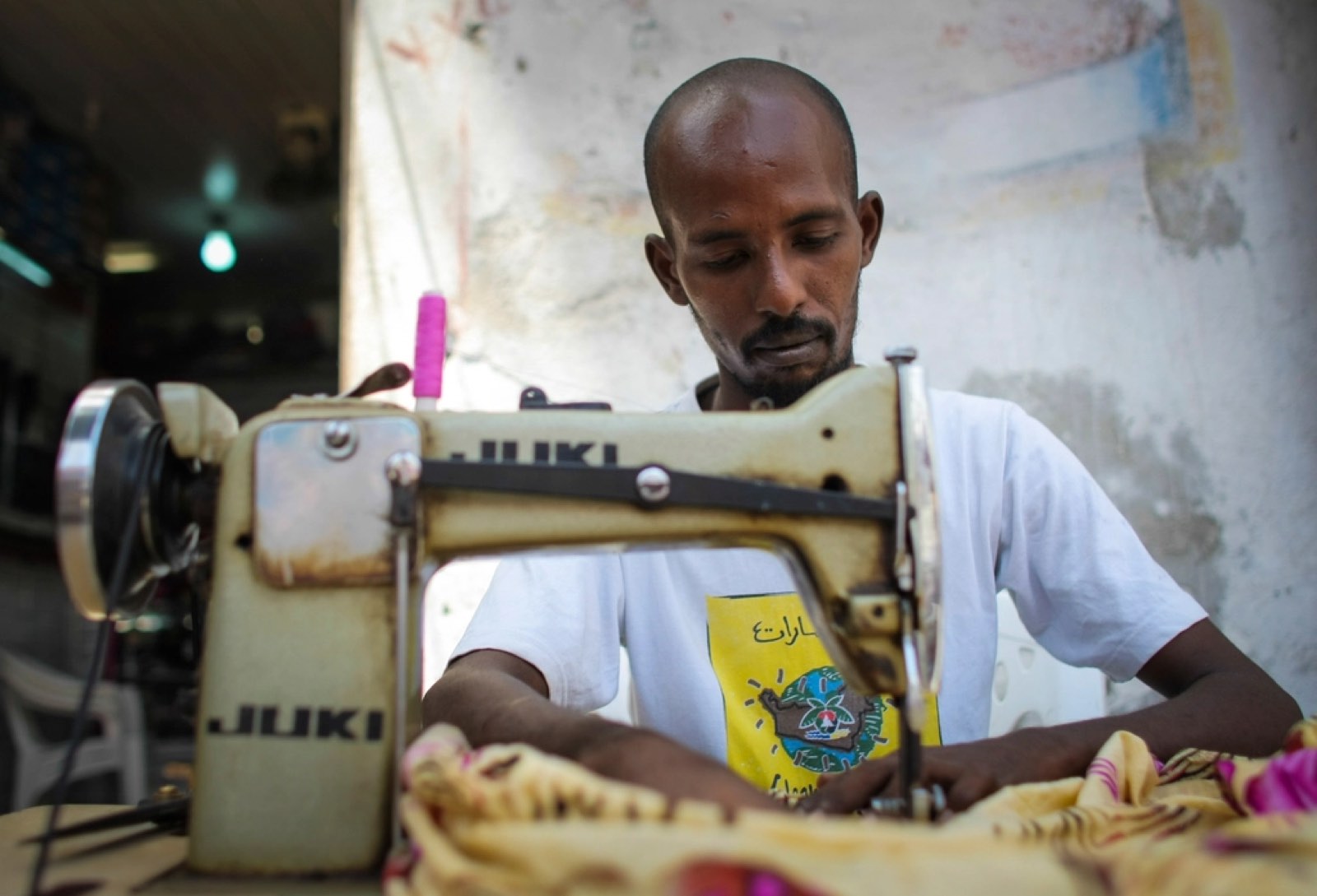
Walk down almost any high street, bazaar or market lane and count the businesses. The tailor with one sewing machine and a waiting list. The pharmacy that knows which of its regulars are diabetic. The tiffin service run from a family kitchen with three scooters and a group chat. None of them would call itself an enterprise, and yet, taken together, they are most of the economy.
The World Bank puts it plainly: 90%1 of businesses worldwide are small and medium enterprises, and they provide more than half of all jobs. In emerging economies the same firms can produce up to 40%2 of GDP. India’s own figures tell a similar story, with micro, small and medium enterprises producing 30.1%3 of GDP in 2022-23 and 45.7%4 of the country’s exports the following year.
of businesses worldwide are small and medium enterprises, and they provide more than half of all jobs.
Most of the world’s firms are small, and together they employ more people than large companies do.
World Bank, 2024The software gap
So here is the odd thing. The businesses that make up nine in ten of all firms1 are usually the last to be designed for. Serious business software has long been built for companies with an IT department, a procurement process and someone whose whole job is to configure it. The corner shop gets a cut-down version, a free tier with the useful parts locked away, or nothing at all.
What the small business is left with is a patchwork. A notebook for customers who buy on credit. A spreadsheet someone’s nephew built three years ago. A messaging app doing the work of a customer database, a booking system and a complaints desk at once. Each piece is free or cheap on its own. Together they cost hours every week, and the owner pays those hours, usually late at night.
Small describes the headcount, not the ambition. Software should know the difference.
Owners of small firms are not less demanding than enterprise buyers. If anything they are more so, because there is nobody to hand the problem to. When the till stops working on a Saturday, the owner of a two-person shop is the IT department, the finance team and the person apologising to the queue, all at the same moment.
What “best” should mean for a small firm
Best does not mean biggest. A small clinic does not need a hundred modules. It needs appointments that send reminders, records that are there when the patient walks in, and a bill it can read. We think the best software for a small business has four qualities, and a long feature list is not one of them.
First, it starts empty. You should be able to add the one tool you need today without paying for twelve you might want one day. Second, it is honest about price, with the number on the page before you begin. Third, it treats security as standard: passkeys and two-step sign-in, the protections a bank would expect, included rather than sold upwards. Fourth, it grows sideways. A business that opens a second shop, or starts a second brand, should not have to begin again with a second account.
These sound modest. They are surprisingly rare, because each one costs the software maker something. Starting empty means earning revenue app by app rather than by bundle. Honest pricing removes the upsell. Included security removes a premium tier. Growing sideways means giving up the second subscription. A company has to decide it is willing to earn less from each customer in the short run in order to deserve them in the long run.
Why this matters beyond the shop
When small firms work better, the effect is not confined to their own tills. They provide more than half of the world’s jobs1. In India alone, enterprises registered on the Udyam portal reported 20.39 crore5 people employed as of July 2024. A small improvement in how those firms keep records, collect payments or reach customers is multiplied across an enormous number of livelihoods.
There is also a quieter argument about dignity. A salon owner who can see last month’s takings on her phone, and send a reminder to a client without copying numbers out of a notebook, is running her business with the same clarity as a chain. That clarity changes decisions: whether to hire, whether to open on Sundays, whether a new service is paying for itself or quietly losing money.
And there is an argument about resilience. Businesses that know what they sold, what they owe and who their customers are can survive a bad month. Businesses running on memory and scraps of paper often find out how much trouble they are in only when it is too late to do much about it.
Where we stand
Svayam Incarnation Limited is a UK internet company, and Intersink is our attempt to build the workspace we wish small businesses had always been offered. It follows the way businesses actually look. There is a person with a free User ID. There are one or more businesses. Inside each business are the channels, meaning the brands, shops or sites that face customers. Each channel starts empty. You install the apps it needs from a catalogue of 49, and each app has its own price per channel per month.
You pay after the month has been used, not before, and there are no free trials that quietly turn into charges. Startups, small businesses, nonprofits and students can apply for free credits, which are used before a card is charged. Passkeys, two-step sign-in, roles and an audit log come with every account.
None of this makes us the answer for every business. Some firms need specialist systems we do not build, and some are perfectly well served by a notebook. But we think the smallest businesses have been under-served for long enough, and that treating them as the main customer, rather than the entry tier, is both the fair thing and, over time, the sensible one.
The corner shop deserves the same care in its software as the company with a thousand staff.
The test we set ourselves is simple. If the owner of a two-person business can run everything they need from one sign-in, read one bill and understand every line on it, we have done our job. If they cannot, we have more work to do, and we would rather hear about it than pretend otherwise.
What this means for your business
- Add tools one at a time. Start with the job that costs you the most hours each week, and leave the rest until you need it.
- Ask for the price before the demo. If a supplier cannot tell you what you will pay each month, treat that as information.
- Turn on passkeys or two-step sign-in today. It costs nothing here and protects everything behind the sign-in.
- If you run more than one brand, keep them under one business with a channel each, rather than juggling separate accounts.
Sources
- World Bank (2024)90% of businesses worldwide are small and medium enterprises, and they provide more than half of all jobs.
- World Bank (2024)40% of GDP in emerging economies can come from small and medium enterprises.
- Ministry of MSME, Government of India, Annual Report 2024-25 (2024)30.1% of India's GDP came from micro, small and medium enterprises in 2022-23.
- Ministry of MSME, Government of India, Annual Report 2024-25 (2024)45.7% of India's exports were MSME products in 2023-24.
- Ministry of MSME, Government of India, Annual Report 2024-25 (2024)20.39 crore people were reported as employed by MSMEs on the Udyam Registration Portal as of July 2024.
Arguments and opinions in this essay are the editorial team’s own. Forecasts are the named source’s, not ours.