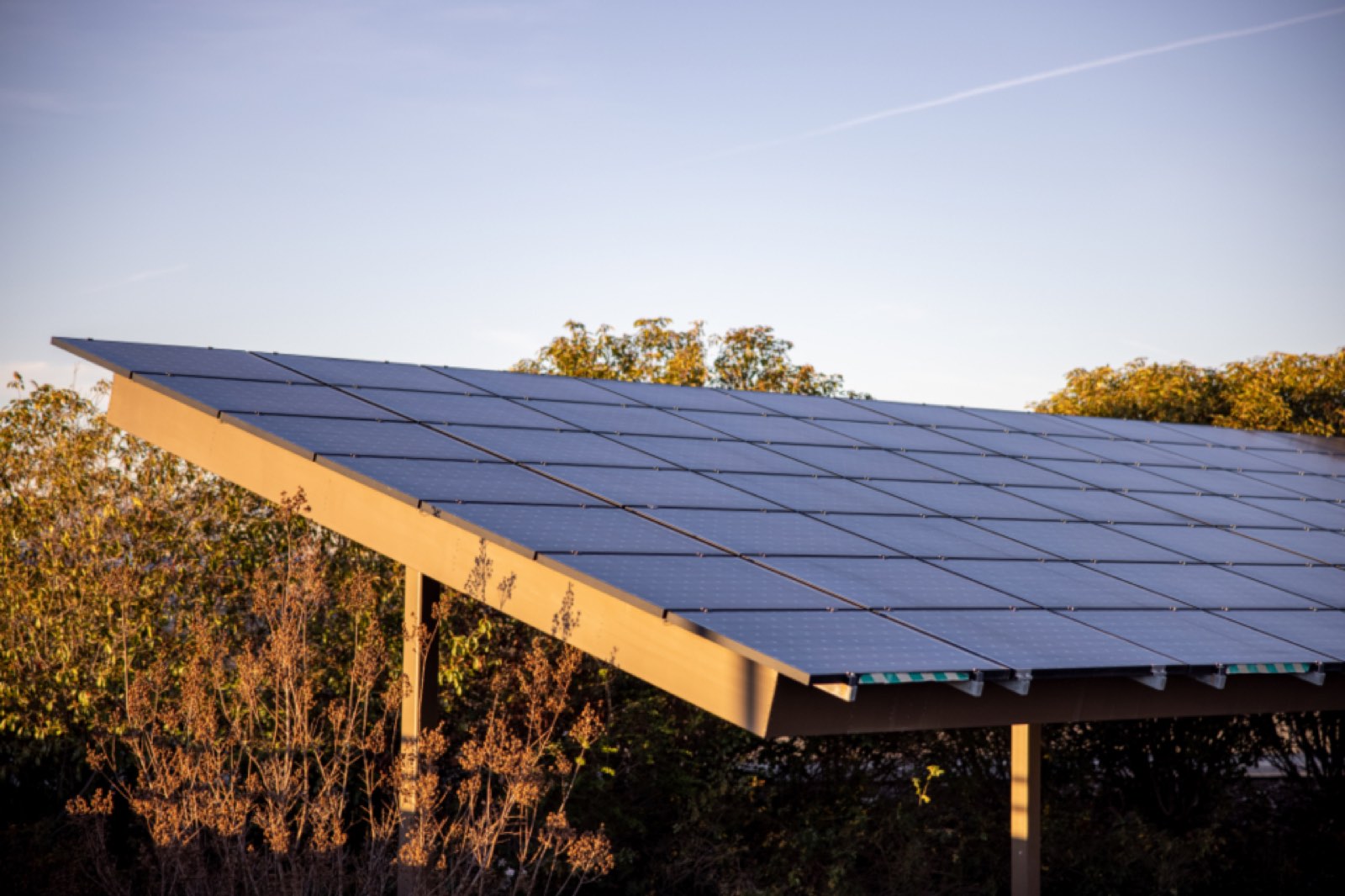
The electricity grid is changing faster than most businesses notice. The International Energy Agency forecasts that renewables will provide 46%1 of the world’s electricity by 2030, up from 30% in 20231, with around 5,500 GW2 of new renewable capacity expected to come online between 2024 and 2030.
That shift is good news, and it is mostly happening at a scale far above any single firm: in national grids, utility contracts and very large projects. It is tempting for a small business to conclude that climate is somebody else’s department. We think there is a more useful way to look at it.
of the world’s electricity is forecast to come from renewables by 2030, up from 30% in 2023.
The IEA’s forecast for the share of electricity from renewable sources by the end of the decade.
IEA, Renewables 2024, 2024The cleanest energy is the energy you did not need
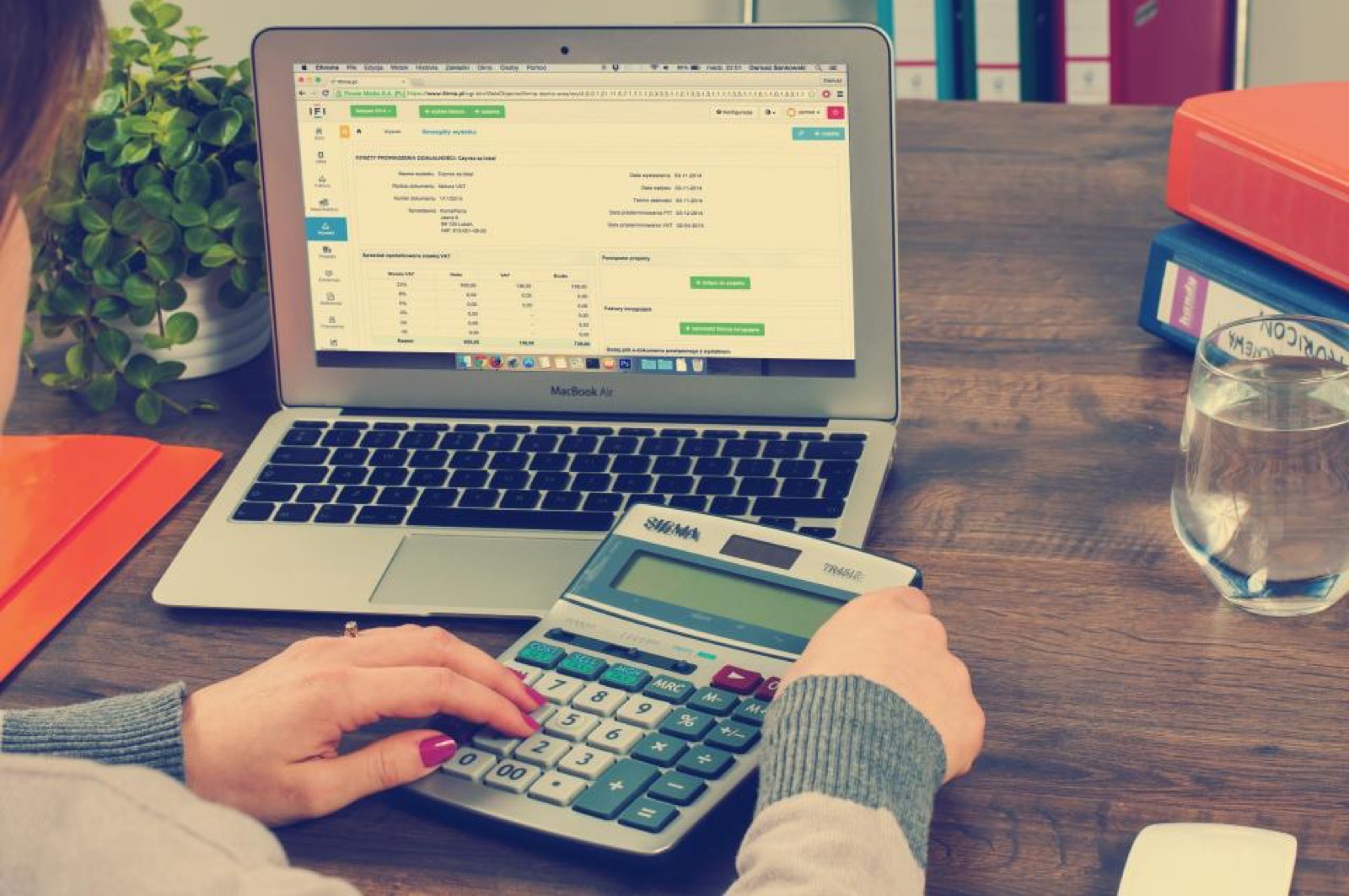
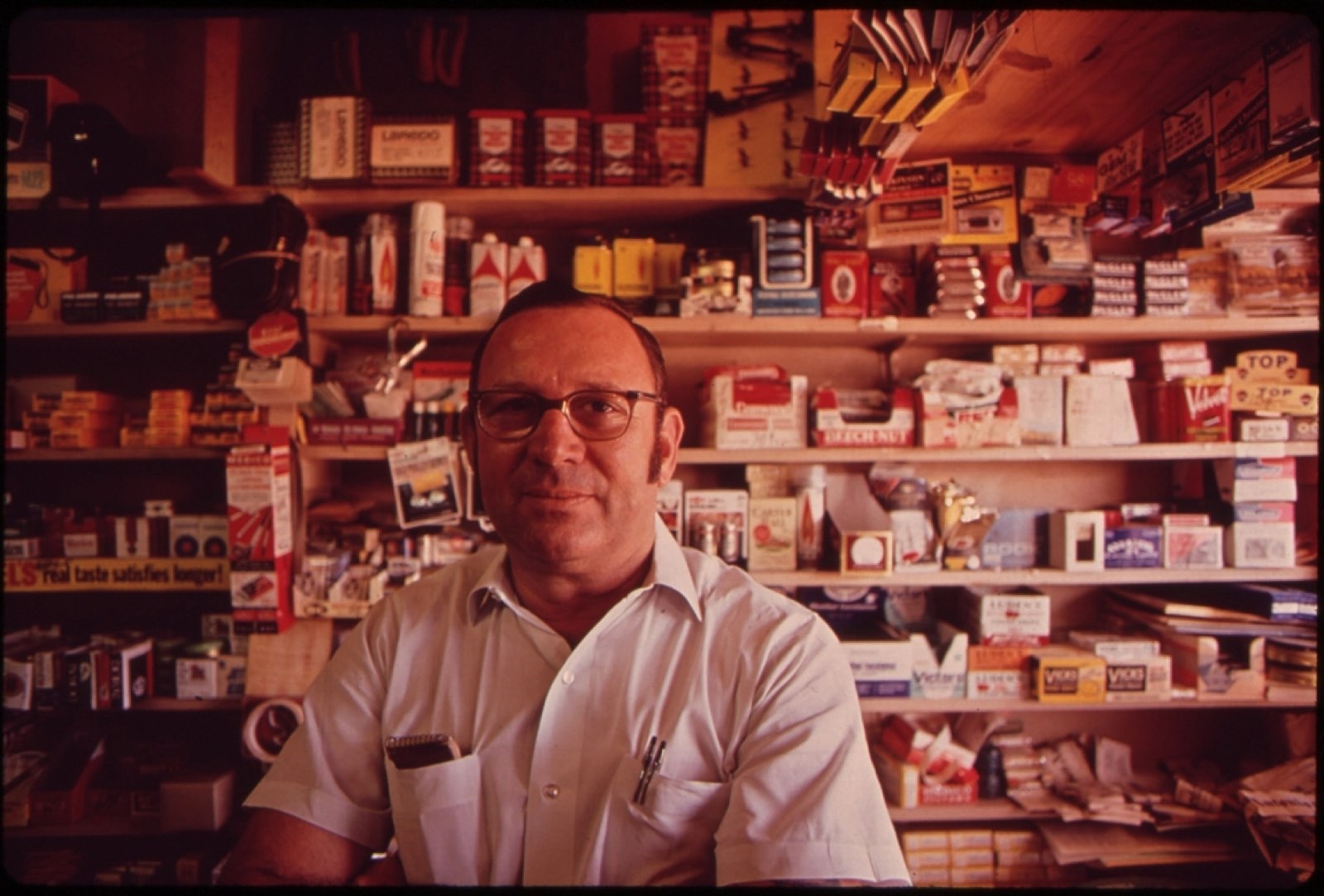
A greener grid lowers the carbon cost of each unit of electricity. It does nothing about how many units we use. For a business, the second question is the one it controls. And a surprising amount of everyday waste is caused by poor information: a delivery van sent out twice because an order was missed, a room lit and heated for a booking that was cancelled, stock that spoils because nobody noticed it ageing at the back of the shelf.
Better records do not sound like climate policy. But a business that knows what it has, what is booked and what is on its way wastes less of everything, energy included.
A greener grid lowers the cost of each unit. Knowing what you actually need lowers the number of units.
Software has weight
Software has a footprint of its own, although it is easy to forget because it arrives through a screen. Every page that downloads more than it needs uses data, battery and the electricity of the servers that send it. Every app that stops working on an older phone nudges its owner towards buying a new one, and making devices has an environmental cost of its own.
Servers are part of it too. Data centres draw power around the clock, and every request a page makes, every image it fetches and every script it runs adds a little to that load. Multiplied across millions of page views a day, the difference between a light page and a heavy one stops being trivial. The same care that makes software pleasant on a slow phone makes it cheaper, in energy terms, to serve.
So one of the most practical things a software company can do is make its product light. Pages that load quickly on modest connections. Screens that work on a phone several years old. Features that exist because someone uses them, not because they look good in a comparison table.
Lighter by design
At Svayam Incarnation Limited we try to build Intersink this way, and we try to be careful about what we claim. We do not publish carbon figures we have not measured. What we can describe are design choices. A channel starts empty, so a business runs only the apps it has chosen. Pages you have opened keep working offline, so they do not need to be fetched again every time the signal drops. Avatars are drawn on your device rather than downloaded as large images.
None of these is dramatic. Together they mean less data moved, fewer requests to our servers and a product that stays usable on older hardware. Our sustainability page sets out our footprint and our intentions in more detail, and it is the place to hold us to them.
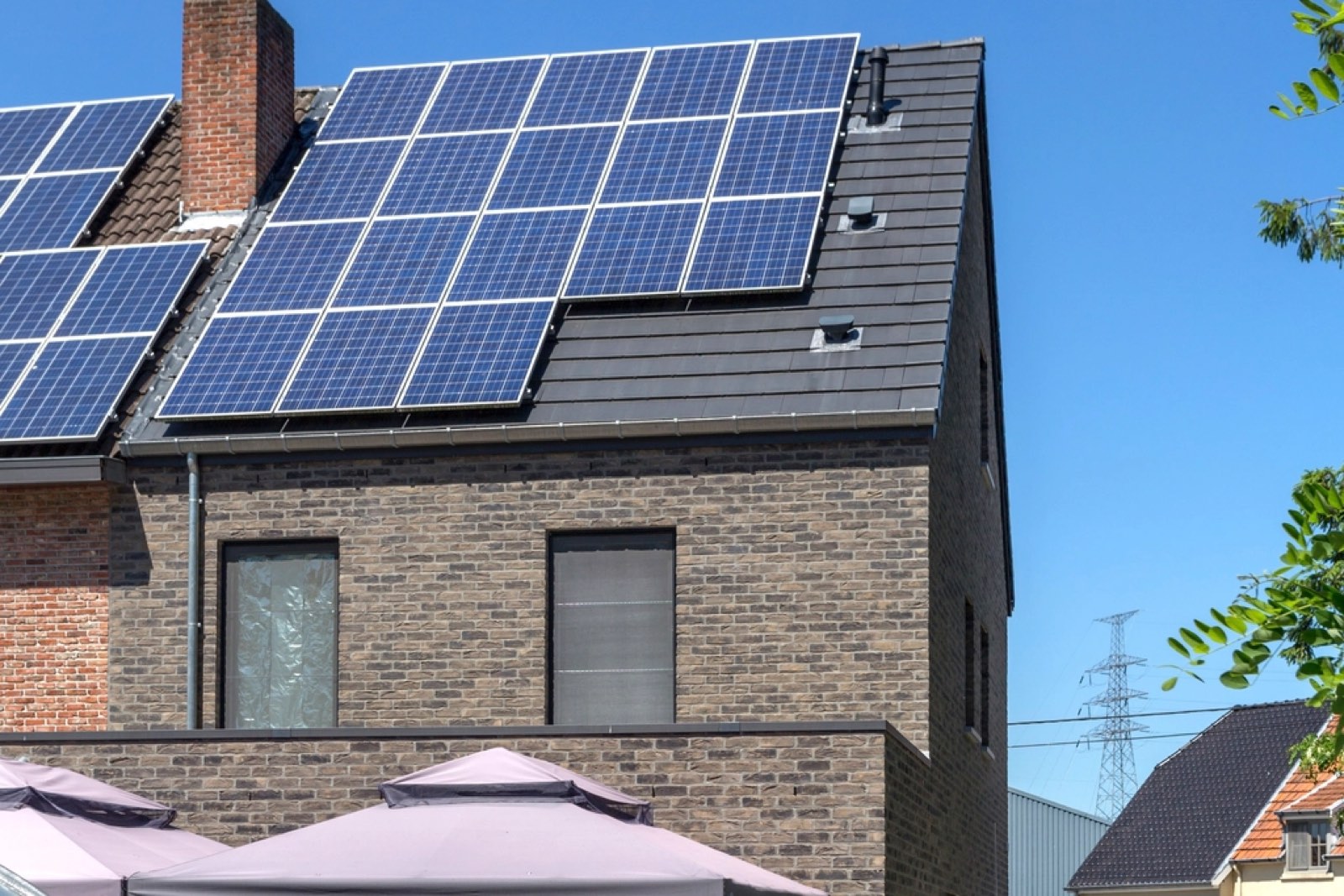
What operating lighter looks like for a business
For our customers, the lighter approach shows up in apps that reduce waste in the physical world. Inventory that shows what is running low and what is sitting unsold. Shipping and fleet tools that put deliveries in one place, which can mean fewer wasted journeys. Bookings with reminders, which are there to cut down on no-shows and the empty rooms and idle hours that come with them. We do not claim a figure for any of this, because the effect depends entirely on the business. The principle is simply that information prevents waste.
There is also the matter of paper. Invoices, receipts, sign-up forms and contracts that live in one workspace are easier to find and do not need printing, filing and posting. For a small firm that is as much about time as carbon, and that is fine. Good environmental changes are often the ones that also make the working day easier, because those are the ones people keep doing.
Paying only for what is used has an environmental side as well as a financial one. Software that is installed and forgotten still runs somewhere: it is backed up, updated and served. When a business can see every app on its bill and remove the ones it no longer needs, the unused ones stop costing money and stop consuming resources. Tidy bills and lighter footprints turn out to be closely related.
The changes that last are the ones that also make the working day easier.
The energy transition the IEA describes will be built mainly by utilities and governments. But the demand side, meaning how much energy and material it takes to do a given job, is shaped by millions of ordinary decisions in ordinary businesses. Software can make those decisions better informed. If it is built carefully, it can also weigh a little less itself.
We find that a hopeful thought. The big numbers in the IEA’s forecasts can make individual effort feel beside the point. It is not. A grid that is greener each year, serving businesses that waste a little less each year, adds up to something neither could manage alone.
What this means for your business
- Look for the things that go wrong twice: repeat deliveries, missed bookings, spoiled stock. Those are your energy and cost savings.
- Keep devices longer by choosing software that runs well on older phones and slow connections.
- Move receipts, invoices and forms off paper where your customers are happy with that.
- Ask software suppliers what they measure about their own footprint, and be wary of figures that come without a method.
Sources
- IEA, Renewables 2024 (2024)46% of the world’s electricity is forecast to come from renewables by 2030, up from 30% in 2023.
- IEA, Renewables 2024 (2024)5,500 GW of new renewable capacity is expected to come online between 2024 and 2030.
Arguments and opinions in this essay are the editorial team’s own. Forecasts are the named source’s, not ours.