
Care depends on people with time.
The world is short of health workers. Every hour of admin taken off a clinic’s desk is an hour returned to care.
Think of the last time a doctor or nurse properly listened to you. Chances are they were not rushed, the right notes were in front of them and nobody had to go looking for a test result.
In much of the world that is not the usual experience. Clinics are small and busy. A single doctor may also be the receptionist, the pharmacy’s contact and the person who chases lab results after closing. Patients travel a long way, sometimes to find the clinic cannot see them that day.
Care is a human act, but it is held together by a great deal of quiet organisation.

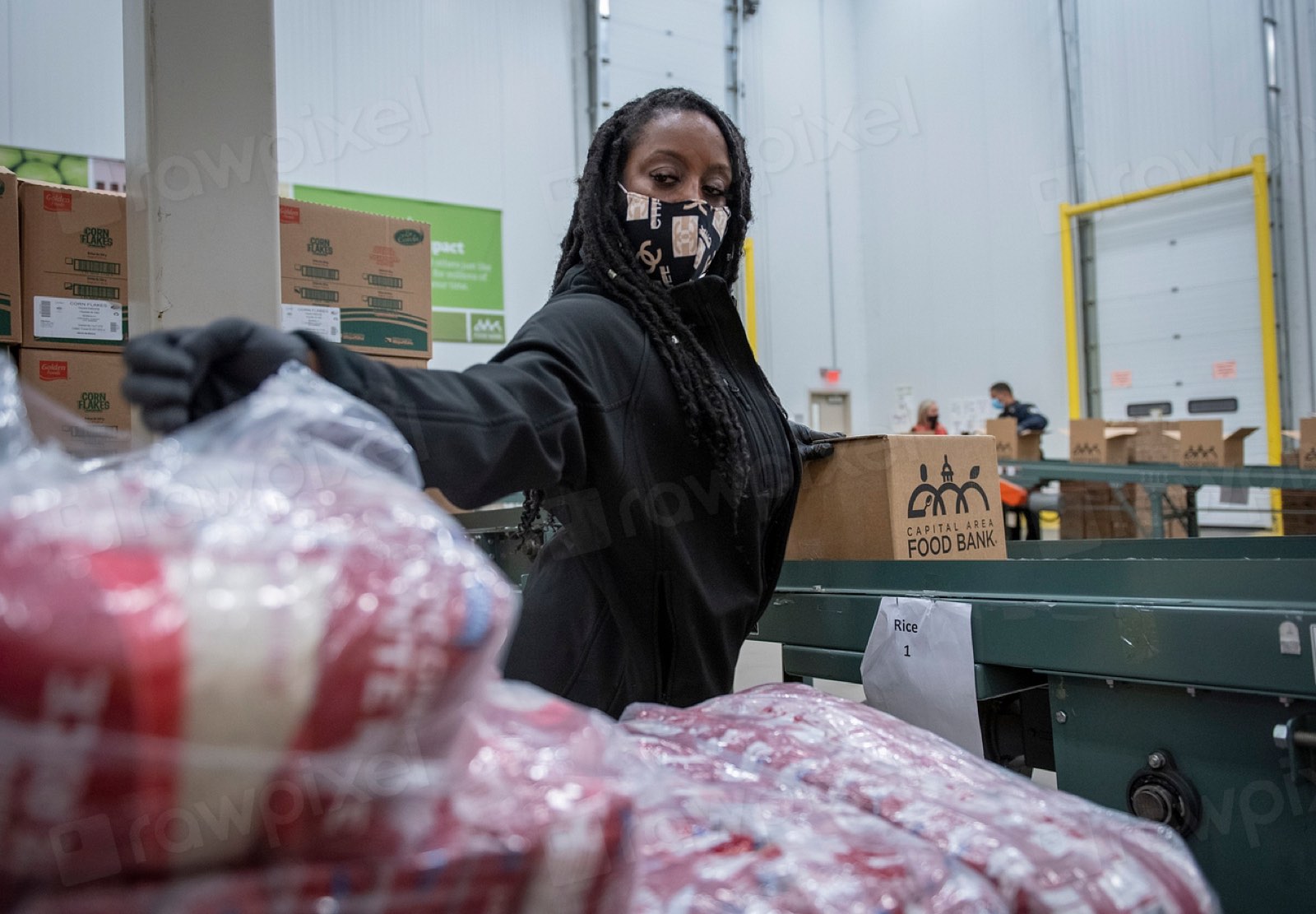




Too few hands, too much paper

The World Health Organization forecasts a shortfall of millions of health workers by 2030, mostly in low and lower-middle income countries. Training doctors and nurses takes years. In the meantime the people already working carry the load.
Much of that load is not clinical. It is appointment books, phone calls, missing notes, lab reports on paper and medicines counted by hand. And where connections are patchy, tools that assume a fast, constant internet connection let people down.
When time runs out, patients pay
Admin is not a side issue in health. Every lost minute is taken from someone who is waiting.
Missed appointments
Without reminders, patients forget or arrive on the wrong day, and a slot that could have helped someone goes empty.
Notes that are not there
When records live in paper files, a returning patient may be asked the same questions again, or part of their history may be missed.
Burnout
Clinicians who spend their evenings on admin have less left for patients, and some leave the profession.
Care that stops at the door
Follow-ups, results and repeat prescriptions fall through the gaps when nobody has time to chase them.
Four shifts that would make the biggest difference.
- 01
Give time back to clinicians
Every minute of admin software can take away is a minute a trained person can spend on care.
- 02
Keep the record in one place
Visits, notes, tests and prescriptions should sit together, so the next person has the full picture.
- 03
Work where the signal is weak
Tools must stay usable on slow connections and on the devices clinics already own.
- 04
Remind people kindly
Clear reminders and simple booking help patients keep appointments without extra phone calls.



Software will never care for a patient. It can clear the desk so that the person who does has time to.
We build for small clinics because they are where much of the world meets its doctor, and because their problems are ones large hospital systems were never designed to solve.
Svayam Incarnation LimitedWhat Svayam Incarnation and Intersink can honestly do.
We are not a healthcare provider and we make no clinical claims. What we offer clinics is organisation: an affordable set of tools for the practice side of care.
A Clinic app for the practice
Patient visits, notes, prescriptions and follow-ups for small practices, installed on the clinic’s own channel.
Bookings with reminders
Patients book online and the Bookings app sends reminders, so fewer appointments are simply forgotten.
Pages that keep working offline
Pages you have already opened keep working when the connection drops, and pages are kept small for slow networks.
Priced for a single doctor
A one-doctor clinic pays for the apps its channel used that month, after the month, with no licence fee up front.
Clinic records: patient visits, notes, prescriptions and follow ups.
Online appointments with staff calendars, deposits and reminders.
Lab orders, home sample collection, results and reports shared with patients.
Medicine catalogue, prescription orders, batches and expiry tracking.
A single-doctor practice
Clinic and Bookings on one channel, billed after each month.
A group of clinics
Every location as its own channel under one business, overseen from one account.
Sources
Every figure on this page comes from the organisation named beside it. We quote their words and numbers as published and do not add forecasts of our own.
- 11.1 millionhealth workers is the shortfall the world is forecast to face by 2030, mostly in low and lower-middle income countries.World Health Organization, 2025
- 2.6 billionpeople, about a third of the world, were still offline in 2024. In low-income countries only 27% use the internet.ITU, Facts and Figures 2024


Spend less of the day on paper
Open a channel for your clinic, install Clinic and Bookings, and pay only for the months you use them.