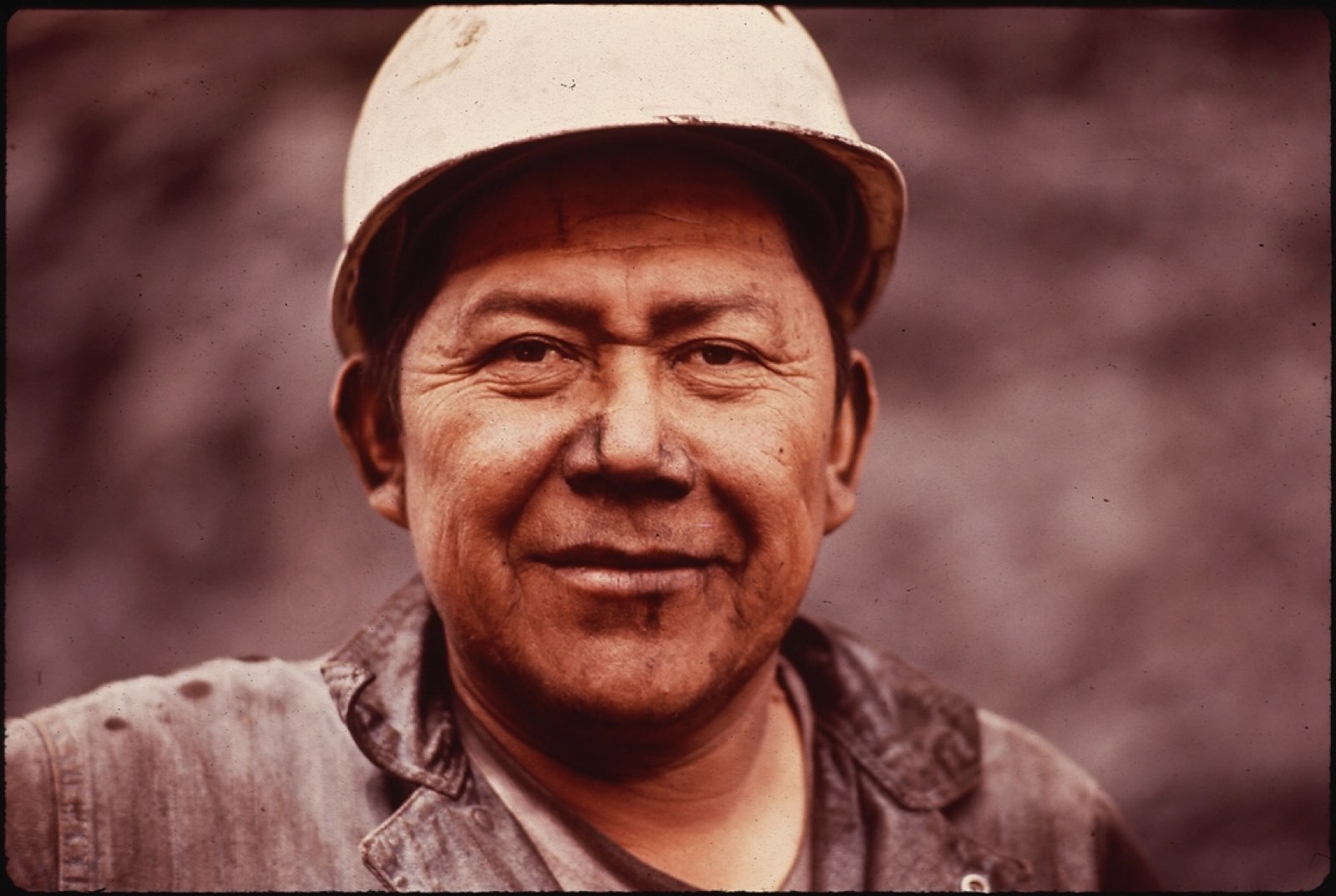
A job is more than a wage.
Most of the world’s work happens without a contract. Fair, recorded work starts with employers who can manage it.
Ask people what a good job gave them and they rarely start with money. They talk about being trusted with something, about learning a trade from someone patient, about the relief of a regular payslip that meant the rent was never in doubt.
For much of the world that security is still out of reach. People work hard, often very hard, with no contract, no record of what they earned and no protection if they fall ill. Young people finish school and wait, sometimes for years, for a first chance.
Work is where the economy meets a person’s dignity. It is worth getting right.






Most work is still off the books
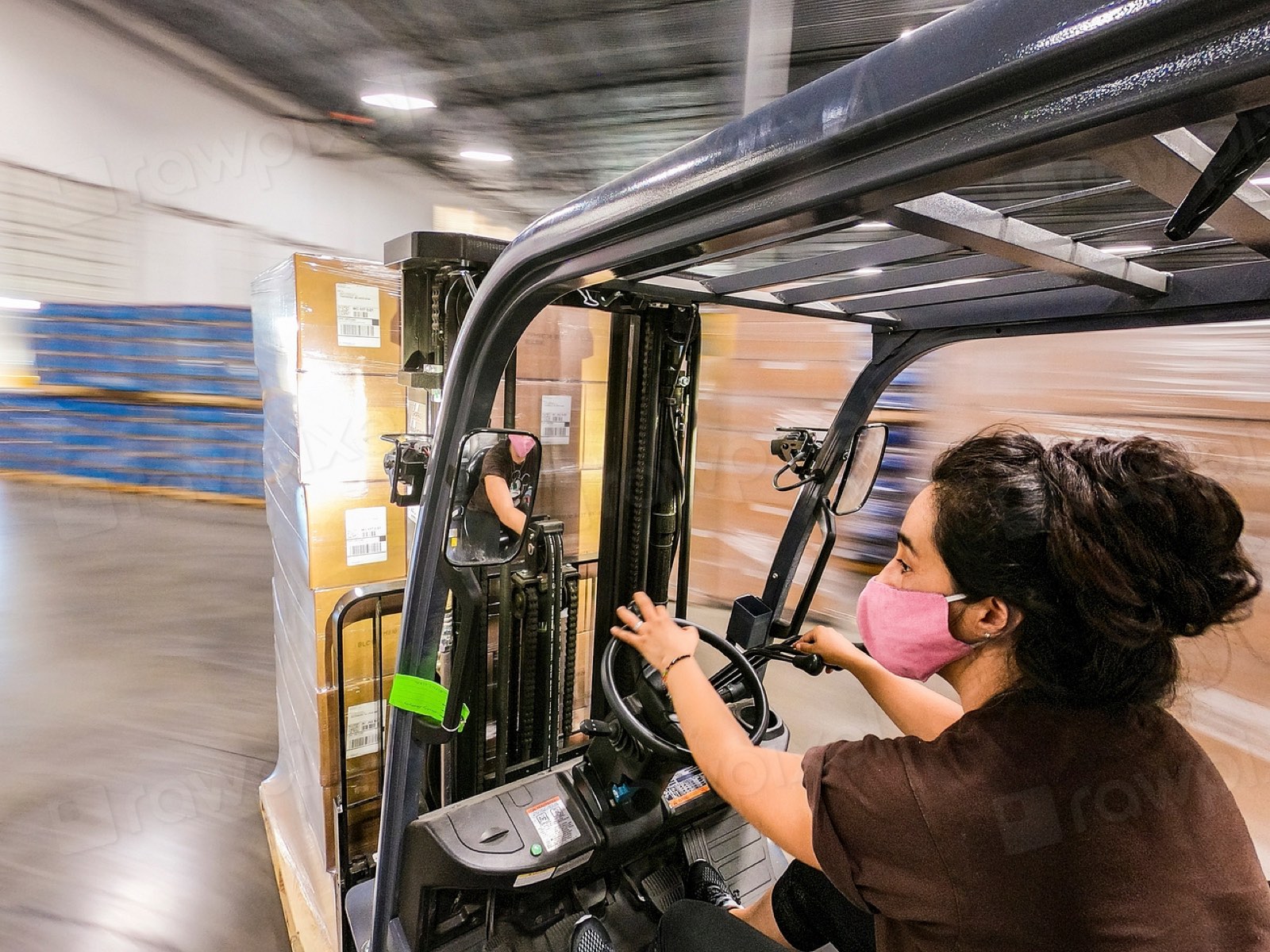
The ILO reports that more than half of all workers are in informal employment: over two billion people working without the contracts, records and protections that formal jobs bring.
Young people face the hardest start, with unemployment far above the rate for workers as a whole. Meanwhile the small businesses that provide most jobs often run hiring, attendance and pay on paper or from memory, which makes formal employment harder to offer even when an owner wants to.
What informality costs a person
Behind every figure on informal work is someone who cannot prove what they have done or count on what they will earn.
No record, no proof
Without payslips or a work history it is hard to rent a home, open a bank account or show a new employer what you can do.
One illness from crisis
Informal work rarely comes with sick pay or leave. A bad month can undo a year of saving.
Skills nobody can see
People learn a great deal on the job, but with nothing written down it does not travel with them.
A first job that never comes
When young people wait too long for work, confidence and skills fade, and the wait gets harder to break.
Four shifts that would make the biggest difference.
- 01
Make formal work easier to offer
Contracts, attendance and payroll should be simple enough for a ten-person business to do properly.
- 02
Make pay visible
A payslip every month, on time, is a small thing that changes what a worker can plan for.
- 03
Open more first doors
Hiring should be fair and traceable, so a young applicant is judged on what they can do.
- 04
Keep learning at work
Training should sit where the work is, short and practical, and be recorded so it counts.



Every payslip is a small proof that someone’s work counts. We want that proof to be easy to give.
We do not employ the world’s workers, and we will not pretend a piece of software creates jobs. But the businesses that do create them deserve tools that make doing it properly the easy option.
Svayam Incarnation LimitedWhat Svayam Incarnation and Intersink can honestly do.
Most employers are small, and small employers are where good habits either start or never do. Our part is making the paperwork of fair employment manageable for them.
People, attendance and payroll together
The Workforce app keeps staff records, attendance, leave, payroll and payslips in one place, so paying people properly becomes routine.
Hiring with a paper trail
The Hiring app keeps job posts, applicants, interviews and offers together, which makes a fair process easier to run and to show.
Training that is written down
The Courses app lets a business teach its own people and keep a record of who completed what.
A cost that follows reality
Apps are billed per channel per month after use, so a business growing its team is not paying ahead for growth that has not happened yet.
People, attendance, leave, payroll and payslips for the company that owns this channel.
Job posts, applicant pipeline, interviews and offers that become employees.
Online courses with video lessons, quizzes, certificates and cohorts.
Field service jobs, technicians, routes and on-site sign off.

A shop hiring its first two people
Workforce and Hiring on one channel, paid monthly after use.
A company with many sites
Each business and channel keeps its own team, with roles deciding who can see what.
Sources
Every figure on this page comes from the organisation named beside it. We quote their words and numbers as published and do not add forecasts of our own.
- 57.8%of all workers, more than 2 billion people, were in informal employment in 2024.ILO, World Employment and Social Outlook: Trends 2025
- 12.6%was the global youth unemployment rate in 2024, against 5% for all workers.ILO, World Employment and Social Outlook: Trends 2025
- 90%of businesses worldwide are small and medium enterprises, and they provide more than half of all jobs.World Bank, 2024
- 20.39 crorepeople were reported as employed by MSMEs on the Udyam Registration Portal as of July 2024.Ministry of MSME, Government of India, Annual Report 2024-25


Make fair work the easy option
Run people, attendance and payroll from the same workspace as the rest of your business, and pay only after each month.