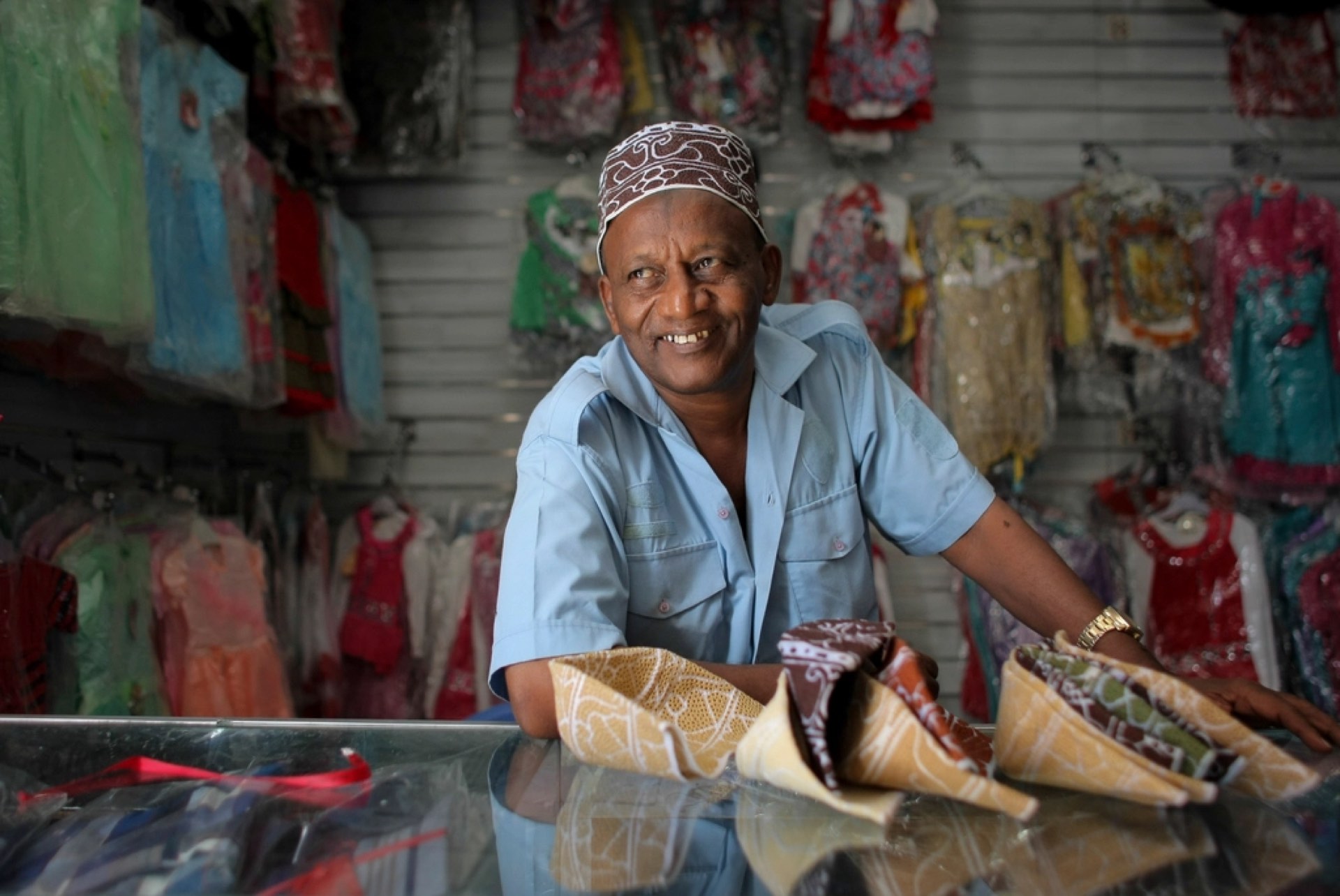
The world is run from small rooms.
Shops, workshops, clinics and kitchens: owner-run places that hire, train and hold streets together.
Before most offices open, someone has already lifted a shutter. A pharmacist is counting stock. A tailor is threading the first needle of the day. A family that runs a sweet shop is already at the stove. Much of the world’s working day begins in places like these: small, owner-run and known by name on their street.
They rarely make the headlines. Yet they hire the neighbour’s son, give credit to regulars and stay open through bad years because a family depends on it. When they do well, a whole street does well. When they close, something goes quiet that does not come back easily.
This page is about them: how much of the economy they carry, what makes their work harder than it needs to be, and what a software company can honestly do about it.
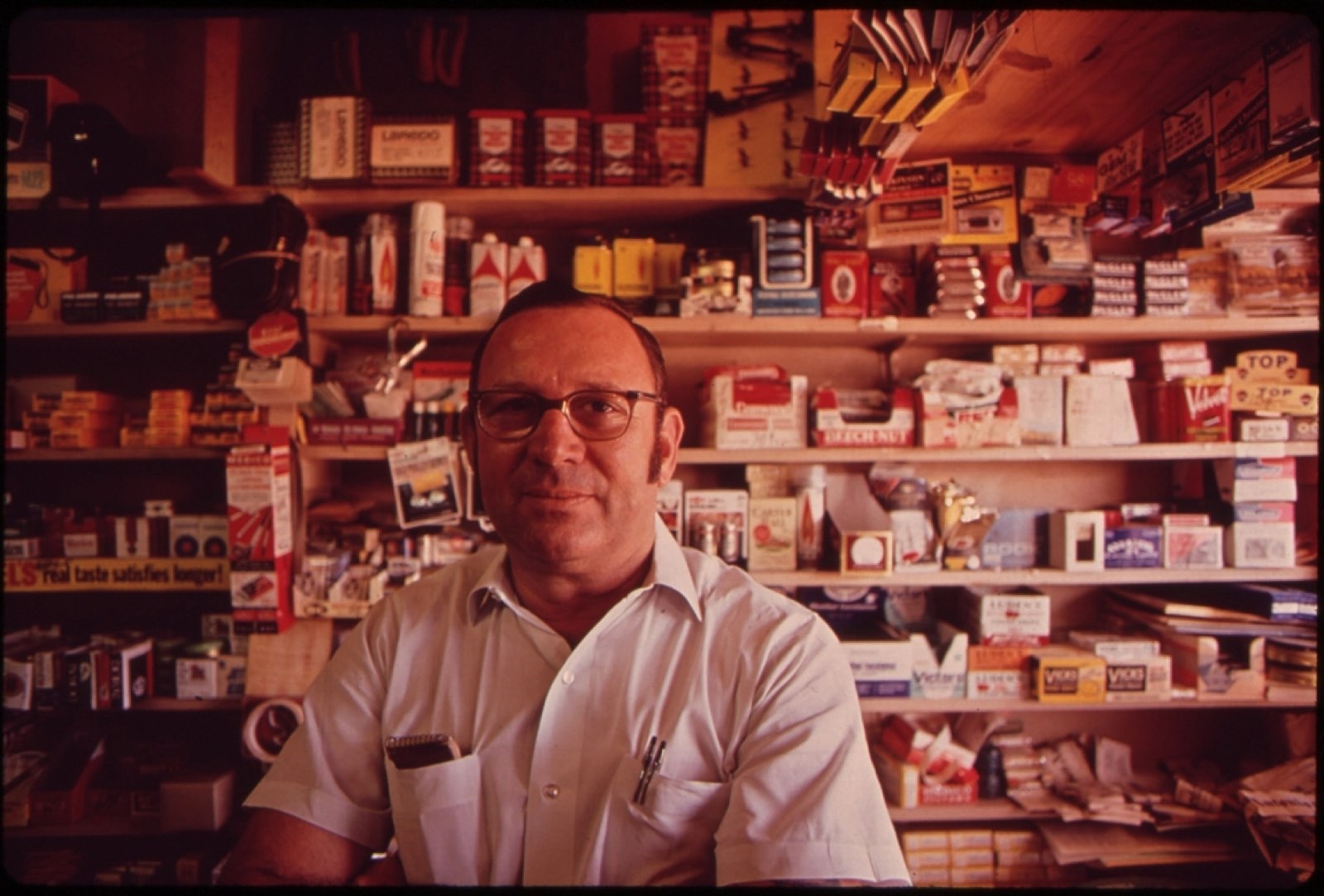
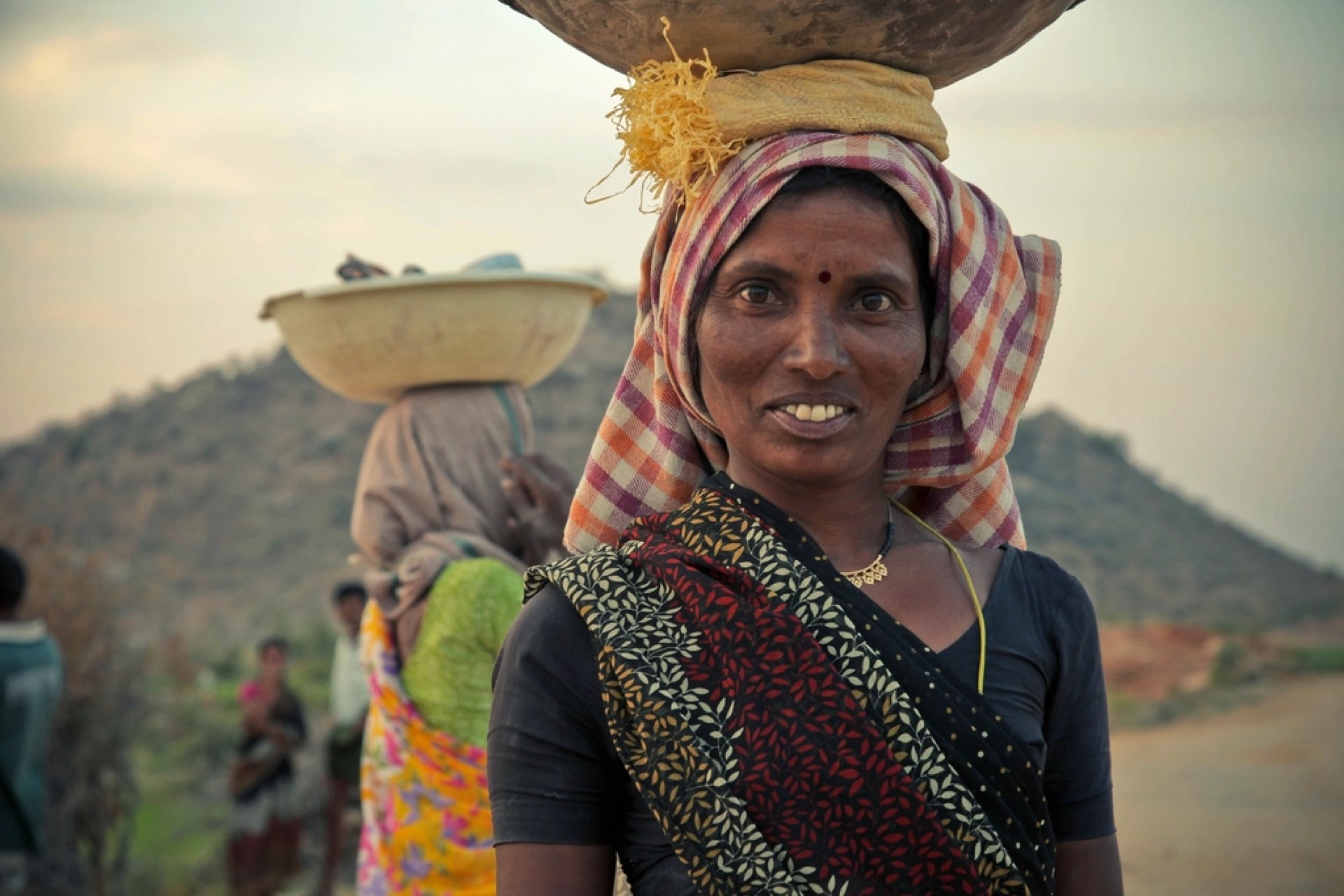


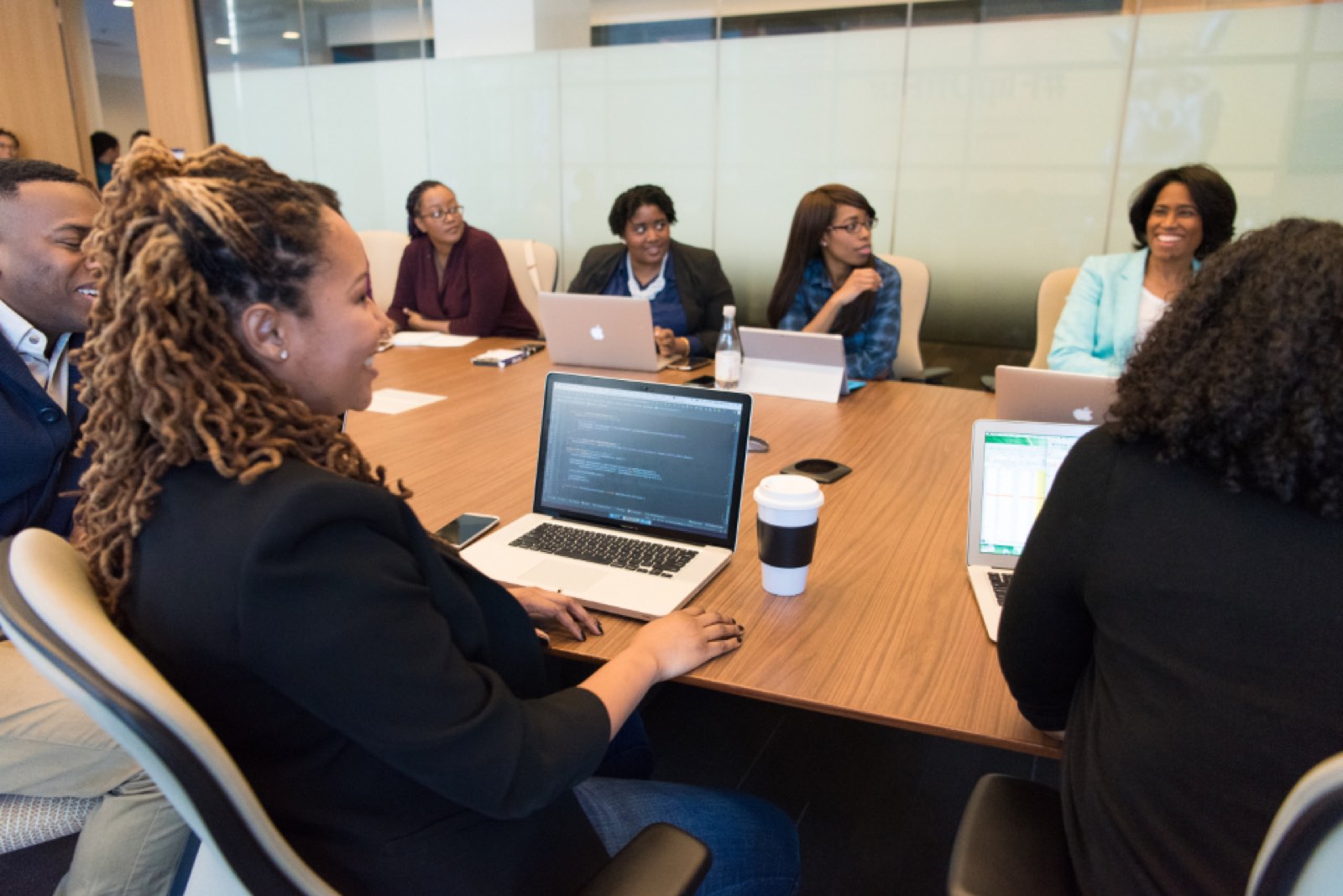
Carrying more than their share
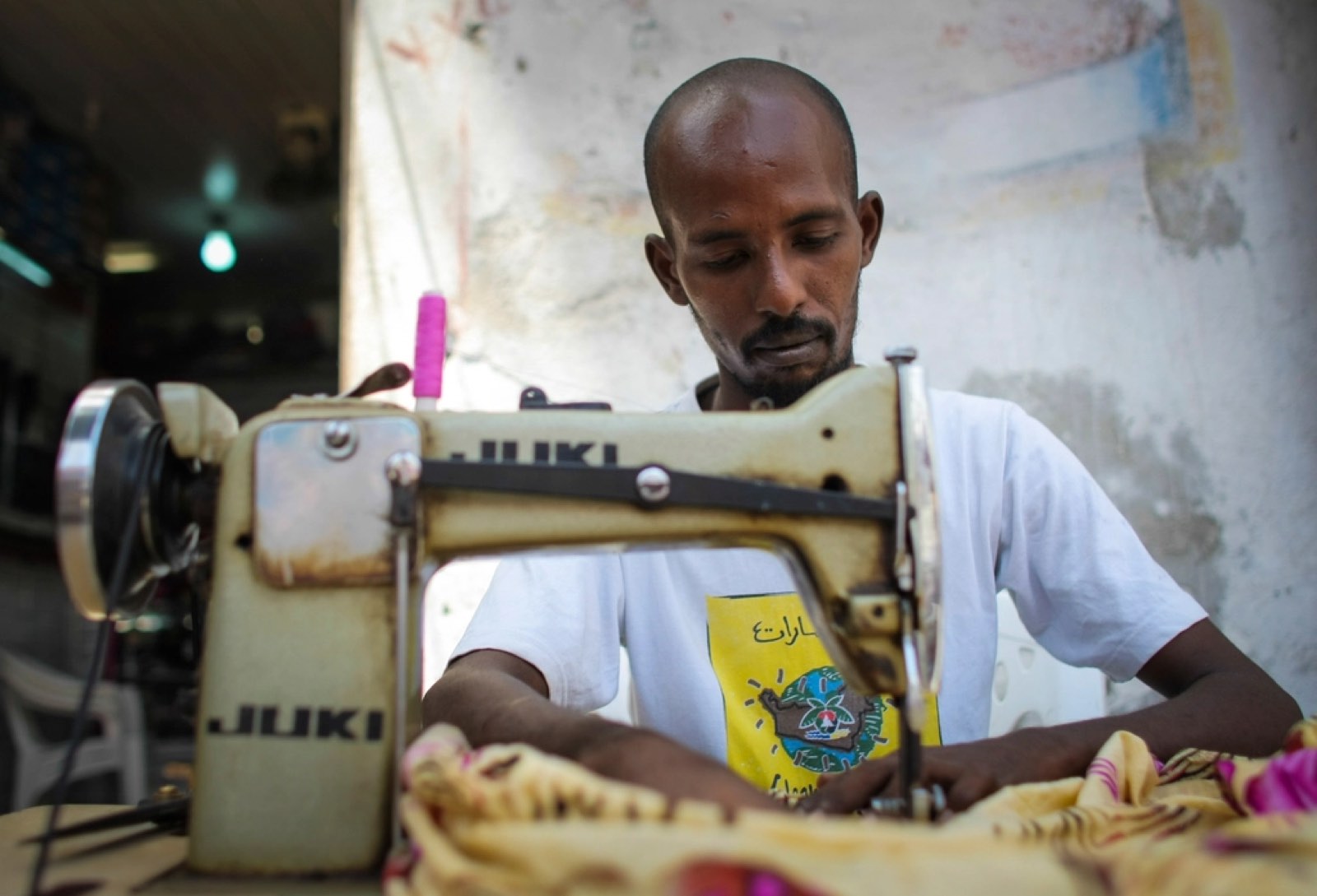
Small and medium enterprises are most of the world’s businesses and provide most of its jobs. In emerging economies they produce a large part of national output. India shows it clearly: its MSMEs account for a large share of GDP and close to half of exports, and crores of people are registered as working in them.
Yet business software has mostly been built for someone else. Enterprise systems arrive with long contracts, minimum seats and setup fees. Cheaper tools each solve one job, so an owner ends up with a till in one place, a spreadsheet in another, bookings in a paper diary and customers scattered across a phone. Every tool is another login, another bill and another place for information to get lost.
The cost is paid in evenings and in sleep
When a small business struggles with admin, the cost never appears in a report. It appears at the kitchen table at eleven at night.
Evenings lost to paperwork
Owners reconcile sales, chase invoices and copy numbers between tools after closing. That time comes out of family life and rest.
Growth that stops at the owner
If everything lives in one person’s head and phone, the business cannot grow beyond that person. A second shop or a second brand starts to feel impossible.
Customers who drift away
A missed reminder, a lost number, a double booking. Small slips add up, and larger competitors with better systems pick up the difference.
Jobs that are never created
Every hour spent on admin is an hour not spent serving, selling or training someone new. Work that would have needed another person never appears.
Four shifts that would make the biggest difference.
- 01
Prices that fit the size you are
A shop with one till should not pay for a system designed for a thousand. Cost should follow use.
- 02
One place instead of ten
Sales, stock, bookings, staff and accounts belong together, so a number entered once shows up wherever it is needed.
- 03
Room to grow without starting again
Opening a second shop or a new brand should mean adding to what you have, not moving to something bigger.
- 04
Plain words and fewer steps
Tools should be learnable in an afternoon by someone who has never had IT training, because most owners never have.
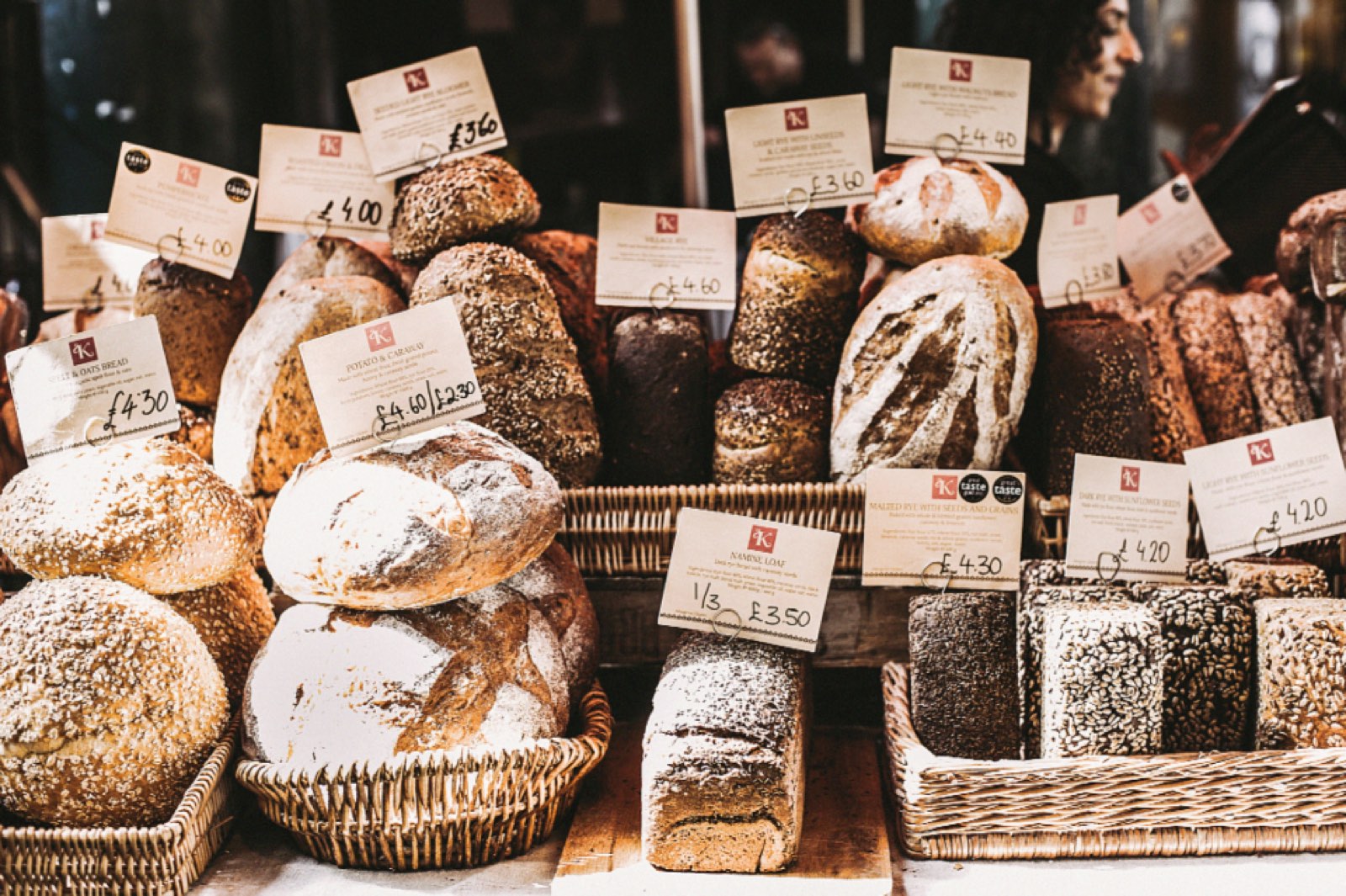

A corner shop deserves the same quality of tools as a multinational. It should not have to pay the multinational’s bill.
That is the idea we started with. Good software is not a luxury. It is how a small team keeps pace with a large one.
Svayam Incarnation LimitedWhat Svayam Incarnation and Intersink can honestly do.
Svayam Incarnation Limited is a small UK internet company. We cannot fix access to credit or rewrite tax rules. What we can do is build software that fits how small businesses actually work, and price it so that trying it does not feel like a gamble.
Pay after you have used it
Apps are priced per channel per month and billed after the month is over. There is no licence to buy first, no minimum number of seats and no annual lock-in.
Every brand under one roof
One free User ID holds all your businesses. Each business runs channels, such as a shop, a website or a clinic, and each channel installs only the apps it needs.
Start with one app
A channel starts empty. Add an online store this month and accounting next month. Remove anything you stop using.
Credits to begin with
Registered businesses with up to 20 people can apply for £4,000 in free credits, used before any card is charged.
Sell products online with catalog, orders, payments and hyperlocal delivery.
Point of sale for your counter with barcode billing, card and contactless, synced with your online store.
Invoice your clients, track what they owe, record expenses and see profit.
Leads, contacts, tasks, calendar, tickets and ads in one place.
Online appointments with staff calendars, deposits and reminders.
Multi-warehouse inventory with batches, reorder points and stock transfers.
A market stall or a salon
Start on one channel with one app, and pay for the month you used once it is over.
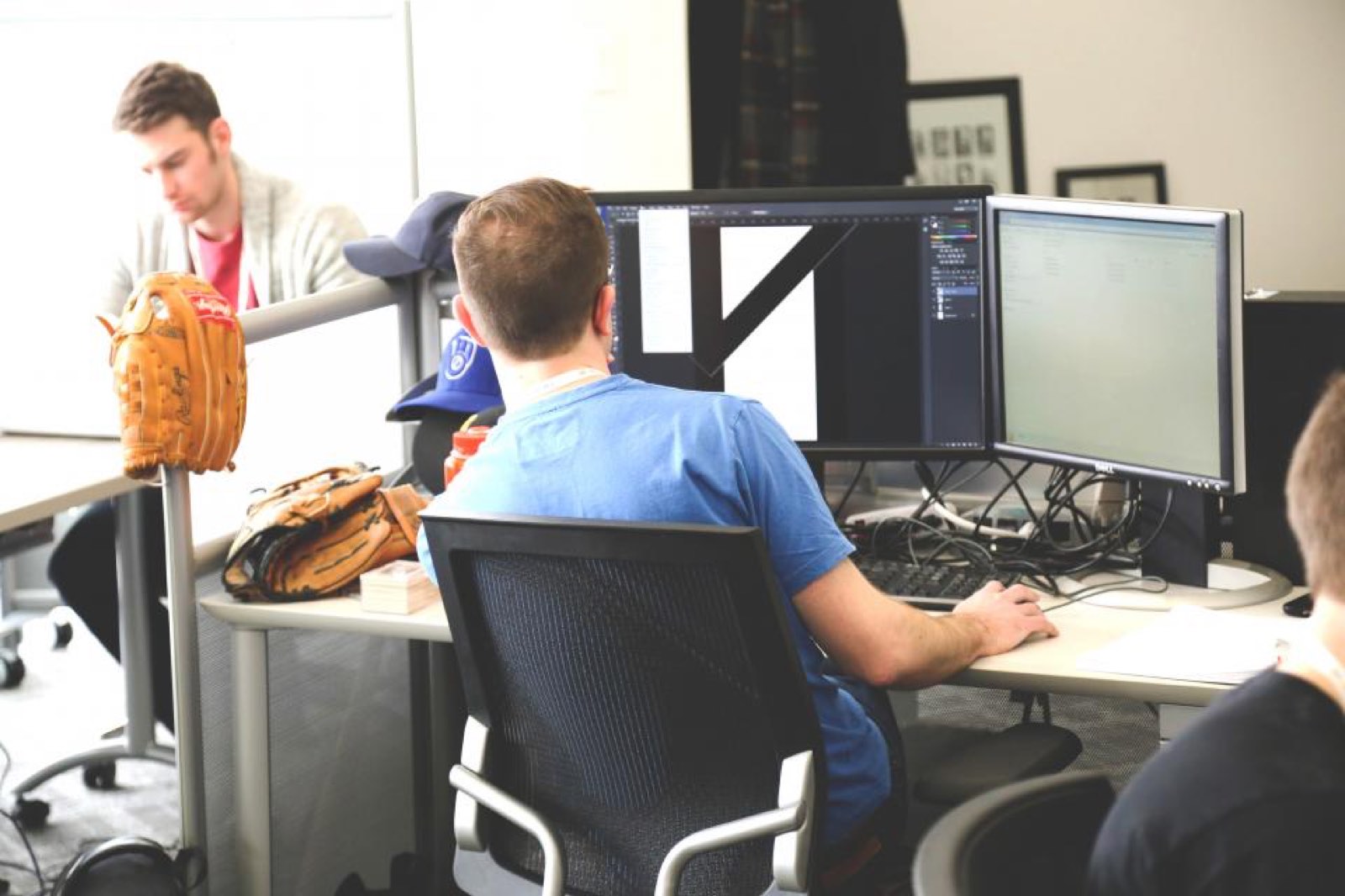
A group with many brands
Keep every business, brand and team in one account, and see what each channel costs on its own.


Sources
Every figure on this page comes from the organisation named beside it. We quote their words and numbers as published and do not add forecasts of our own.
- 90%of businesses worldwide are small and medium enterprises, and they provide more than half of all jobs.World Bank, 2024
- 40%of GDP in emerging economies can come from small and medium enterprises.World Bank, 2024
- 30.1%of India's GDP came from micro, small and medium enterprises in 2022-23.Ministry of MSME, Government of India, Annual Report 2024-25
- 45.7%of India's exports were MSME products in 2023-24.Ministry of MSME, Government of India, Annual Report 2024-25
- 20.39 crorepeople were reported as employed by MSMEs on the Udyam Registration Portal as of July 2024.Ministry of MSME, Government of India, Annual Report 2024-25


Give your business a calmer back office
Create your free User ID, add your business and open a channel. Install one app to begin and pay after the month.